

Using AI to Automate Exposure Assessment in OT sites
About This Session
With the recent launch of Claude Mythos tool, the risk of new vulnerabilities being found in significantly increased. For IT networks that means increased use of exposure assessment tools for rapid deployment of patches for new critical vulnerabilities.
In OT networks such rapid patching is very problematic so alternative compensating methods should be used.
This session explores how Artificial Intelligence can be used to optimize Vulnerability management and Exposure Assessment in OT networks and makes it a practical yet effective task in-line with the operational constraints.
We will examine how AI-driven models can ingest disparate data points - such as asset criticality, network telemetry, and real-time threat intelligence about recent exploits - to provide a context-aware risk score. The AI models will then be used to plan patches to high-risk assets and evaluate the effectiveness of compensating security controls.
Key takeaways will include:
• Contextual Prioritization: How AI identifies which vulnerabilities pose a risk to your specific production environment vs. those that are logically isolated.
• Virtual patching analysis : Using AI to analyze multiple data-sources (research papers, vendor advisories, etc.) for optimizing proposal of patches vs compensating controls as well as using customer feedbacks to tune the future proposals for patches and other compensating controls.
• Automating the "False Positive" Filter: Leveraging Natural Language Processing (NLP) to parse updated information – attack tactics, exploits in the wild, vendor advisories and CVEs, against specific OT configurations.
• Predictive Maintenance vs. Patching: Using AI to align security updates with scheduled downtime, minimizing operational impact.
In OT networks such rapid patching is very problematic so alternative compensating methods should be used.
This session explores how Artificial Intelligence can be used to optimize Vulnerability management and Exposure Assessment in OT networks and makes it a practical yet effective task in-line with the operational constraints.
We will examine how AI-driven models can ingest disparate data points - such as asset criticality, network telemetry, and real-time threat intelligence about recent exploits - to provide a context-aware risk score. The AI models will then be used to plan patches to high-risk assets and evaluate the effectiveness of compensating security controls.
Key takeaways will include:
• Contextual Prioritization: How AI identifies which vulnerabilities pose a risk to your specific production environment vs. those that are logically isolated.
• Virtual patching analysis : Using AI to analyze multiple data-sources (research papers, vendor advisories, etc.) for optimizing proposal of patches vs compensating controls as well as using customer feedbacks to tune the future proposals for patches and other compensating controls.
• Automating the "False Positive" Filter: Leveraging Natural Language Processing (NLP) to parse updated information – attack tactics, exploits in the wild, vendor advisories and CVEs, against specific OT configurations.
• Predictive Maintenance vs. Patching: Using AI to align security updates with scheduled downtime, minimizing operational impact.
Speaker
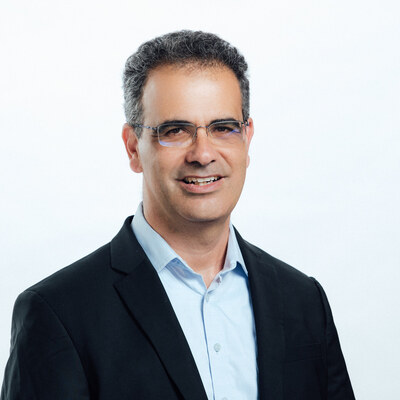
Ilan Barda
CEO - Radiflow
Ilan is a seasoned ICT & Cyber executive.
Ilan is the founder and CEO of Radiflow, a leading vendor of OT Security solutions.
Before starting Radiflow, Ilan served as the CEO of Seabridge, a Nokia-Siemens Networks subsidiary.
Ilan is the founder and CEO of Radiflow, a leading vendor of OT Security solutions.
Before starting Radiflow, Ilan served as the CEO of Seabridge, a Nokia-Siemens Networks subsidiary.